Current projects
Much of my current research takes place in Madagascar, the world’s fourth-largest island and the second-largest island nation. Its remarkable biodiversity, high endemicity, substantial development, and incredible scientists make it an important site for disease ecology research. For my PhD, I am also focusing on antimicrobial resistance (AMR), one of the greatest public health challenges of the 21st century. While there is a lot of incredible work being done on the molecular and genetic components of resistance, I am approaching the subject from a slightly different angle: the ecology of AMR at the human-animal interface.
That being said, my interests span a variety of disease systems across the world, and I’m always looking for opportunities to broaden my horizons!
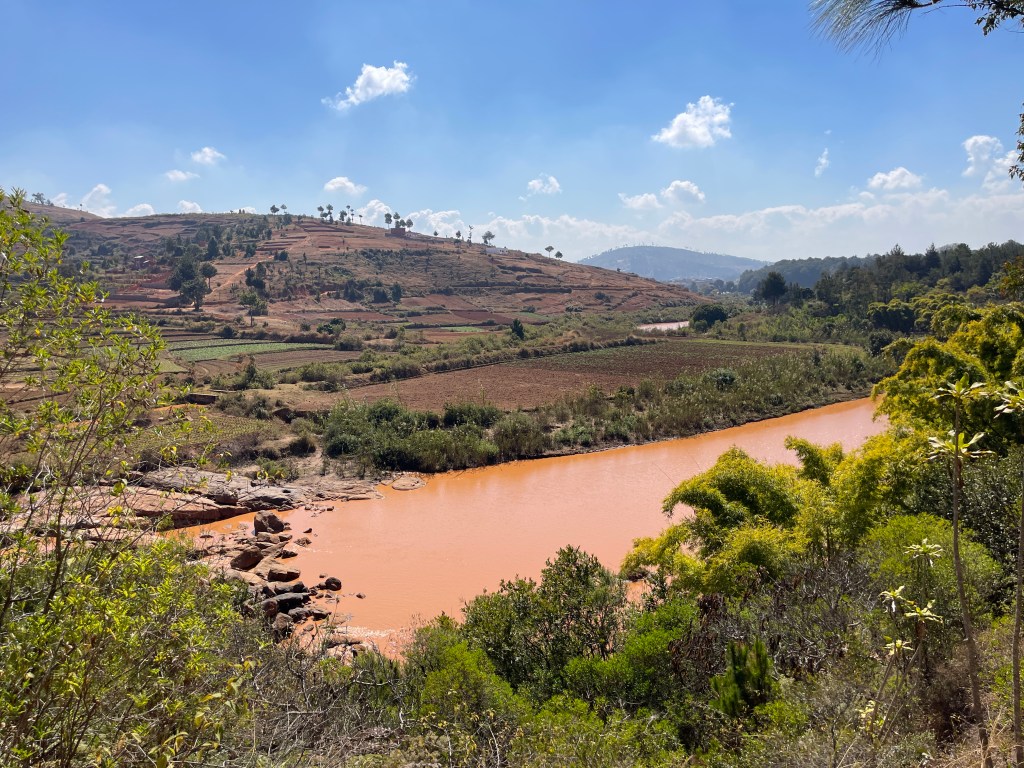
Drivers of AMR in humans and domesticated animals
Madagascar has the 19th-highest age-standardized mortality rate related to resistant infections in the world. Despite this, it has been neglected in antimicrobial resistance (AMR) research, and little is known about AMR patterns in the country, especially outside the capital city of Antananarivo.
To lay the foundations of understanding AMR in rural, agricultural Madagascar, we will take an exploratory approach to establishing the prevalence of key antimicrobial resistance genes (ARGs) in Malagasy villages and the factors that drive ARG carriage patterns, including market integration, social networks, and environment sharing. Specifically, we’ll be looking at the extended-spectrum beta-lactamases (ESBLs), which confer resistance to some of our frontline antibiotics like penicillin and amoxicillin. This work will support the development of interventions against AMR by identifying potential “weak links” in systems of AMR dispersal.
Small-scale wildlife movement and the spread of AMR
Antimicrobial resistance patterns among wildlife is poorly understood, despite the facts that (1) environmental contamination with antimicrobials from anthropogenic activity is pervasive, (2) wildlife can acquire resistant microbes from contaminated habitats, and (3) both the environment and wildlife can serve as reservoirs for ARGs. Research into ARG carriage among wildlife can help us better understand the ecological dynamics of AMR, the extent of AMR dispersal associated with certain anthropogenic activities, and the consequences of widespread antimicrobial contamination.
Using metagenomics and population genetics, we will investigate how wild rodent movements in and around human-altered landscapes affect AMR patterns in rodent populations. This will allow us to better understand how wildlife serves as a bridge for resistance across natural and anthropogenic environments.
Climate change adaptations, markets, and AMR
Climate change directly and indirectly affects human livelihood and health. One key area of change is in food security: as temperatures warm, seas rise, and soils become less viable, people change their behaviors so that they can eat. Previous research in the Nunn Lab in Madagascar (Barrett et al. 2024) has shown that one such adaptation is the increased selling of livestock and poultry. This adaptation may help people mitigate food insecurity but may also have implications for infectious disease transmission.
Here, we are investigating how animal sales – and the regional connectivity associated with selling – affect AMR patterns in both the humans and animals involved in this process. Using a PCR approach, we will assess the presence of several ARGs that confer resistance to clinically important and/or commonly used antimicrobials across several villages in the SAVA Region of Madagascar. Because these villages span a range of socioeconomic characteristics and levels of animal selling, we can compare the resistome profiles of these villages and identify drivers of AMR carriage.
We’ll also be using joint species distribution models (JSDMs), which are powerful tools that are commonly used in more traditional ecology fields, but their use for AMR is a novel application!
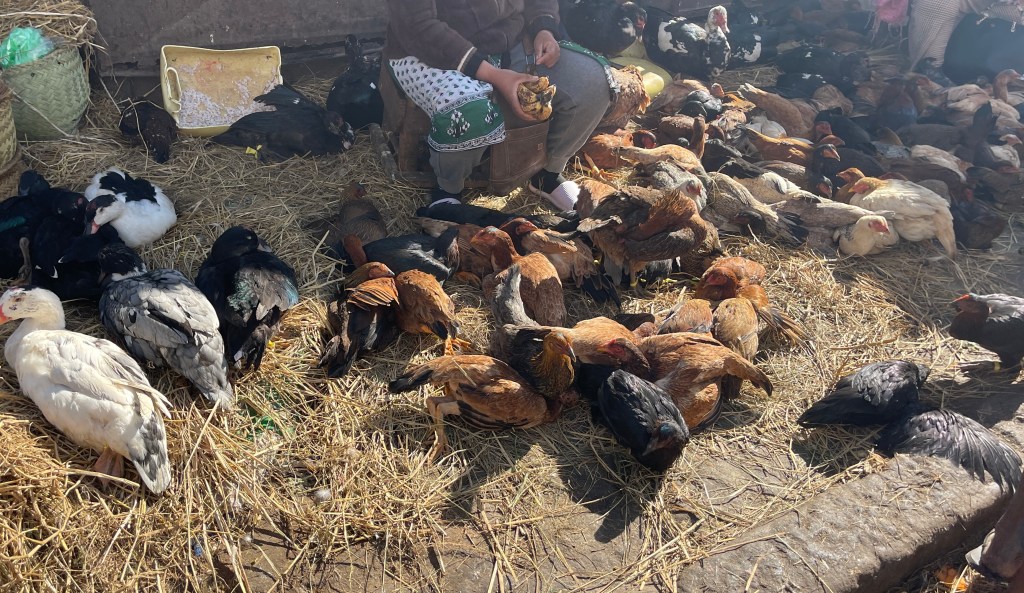

Concentrated animal feeding operations and Tuberculosis in north Carolina
Large-scale industrial animal husbandry facilities, or concentrated animal feeding operations (CAFOs), are associated with negative health outcomes in communities near them and among workers. While research has explored the impact of CAFOs on pollution and antimicrobial resistance, less research has investigated the association between CAFOs and tuberculosis. This study examines the relationship between tuberculosis incidence and CAFO density at the county level in North Carolina (NC) in from 2017-2023.
Using publicly available data, we found significant spatial autocorrelation of high TB incidence counties, as well as high CAFO density counties. However, the statistical association between TB incidence and CAFO density at the county level varied by year, and pooled models – which we used due to low year-to-year variation of our predictors – indicated that social and spatial factors may explain more of the clustering of high TB incidence counties than CAFO density per se. This doesn’t undermine past work finding relationships between CAFOs and TB (as well as other health outcomes) as this work is at a much larger spatial scale and county-level aggregation may mask local effects.
We’re currently working on a manuscript for this, and I’ll post the preprint/paper once it’s out! In the meantime, check out a single-year analysis I did for 2023 that I presented at APHA 2025 in my blog section!
Past Projects
I had many opportunities to participate in research on a variety of subjects while pursuing my Masters and early in my doctoral journey. The goal: to gain as many skills, and learn about as many disease systems, as possible.
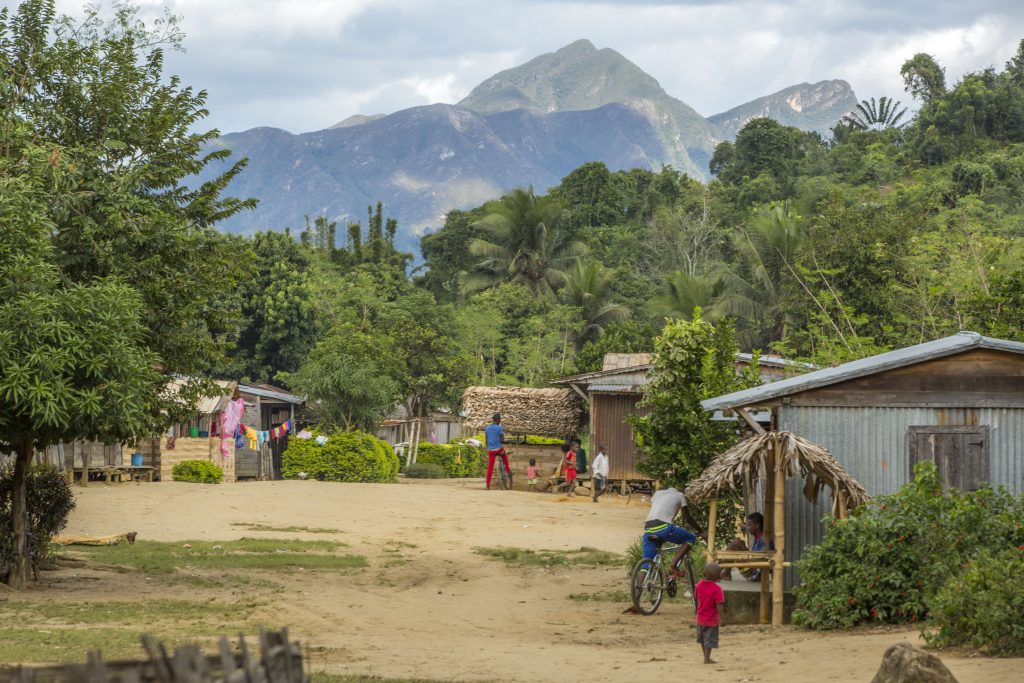
Host-pathogen and Parasite sharing networks in Madagascar
Interactions among living beings can be represented as networks. Bipartite host-pathogen networks show instances of infection by specific pathogens, with nodes representing hosts or pathogens and edges representing infection. Projection of these networks creates parasite sharing/co-occurrence networks that show which hosts are infected by the same pathogens. Analysis of these networks can reveal which hosts play a role in facilitating transmission (for example, which hosts are “superspreaders”), which pathogens tend to co-infect, and what host and pathogen attributes contribute to likelihood of infection.
So far, we have analyzed human-livestock-gastrointestinal parasite networks in Madagascar and found that: (1) pigs have the highest odds of being infected; (2) protozoan parasites have higher odds of infecting than helminthic ones, and protozoa and helminths tend not to co-infect the same hosts; and (3) pigs had the greatest tendency to share parasites with other species.
Impact of wearable smart devices on disease transmission
Wearable smart devices — like the Apple Watch and Fitbit — collect biometric data that can be used to identify signs of viral infection before symptom onset (for example, the COVIDentify project at Duke University). Here, we use a social network analysis approach to answer the following questions. What are the implications of such devices for disease spread on a population level? Do “wearables” with early infection detection capacity reduce outbreak size and length? How does distribution of these devices in a population affect their utility? If wearable smart devices prove to be useful interventions in infectious disease outbreaks, and given their increasing accessibility, they could be a novel diagnostic intervention to mitigate transmission.
This project is not funded or endorsed by any makers of wearable smart devices, including Apple or Fitbit.
Pneumococcal serotype Replacement and Distribution Estimation (Pserenade) Project
Streptococcus pneumoniae, or pneumococcus, is a normal member of the human nasal and throat microbiome. Pneumococcus can sometimes cause invasive disease (IPD) in its host, and the pneumococcal vaccine (PCV) is widely used worldwide. However, serotype replacement – where incidence of the serotypes included in the PCV decline while serotypes not included in the PCV increase – has been observed globally. This project, conducted in partnership with the WHO, aimed to estimate the long-term impact of PCV use on IPD and serotype distribution.
Read more about PSERENADE here.
Case-Area Targeted Interventions during Cholera outbreaks in Nigeria
Cholera outbreaks are on the rise, particularly in conflict-affected areas. Case-area targeted interventions (CATIs), where medical and community health professionals provide packages of interventions to cases and neighbors, are increasingly used in cholera outbreaks. However, the effectiveness of this approach has not previously been assessed.
Spatiotemporal models were used to assess cholera dynamics given environmental characteristics (like WASH infrastructure) and CATI factors (like soap and response timeliness) in northeast Nigeria. These results found that CATIs were associated with significant reductions in cholera clustering, and support rapid CATI implementation and scale-up in conflict-affected settings.
See our findings here.


Spatial Clustering of Sexually transmitted infections around Lake Victoria, Uganda
For my Master’s thesis, I conducted spatial analyses of various sexually transmitted infections (STIs) in villages around Lake Victoria in Uganda. Some of these villages participated in fishing as the main economic activity; the others were more connected to urban areas. We asked the question: how do spatial patterns of STIs differ by type of village and STI?
We found high levels of all STIs across all villages. Furthermore, we found that all the STIs we studied were extremely widespread, with little spatial clustering observed. This means that these STIs were not focused on specific groups of people or areas. The public health implication is that treatments must also be similarly widespread, regardless of the type of village.
 Melody Xiao